
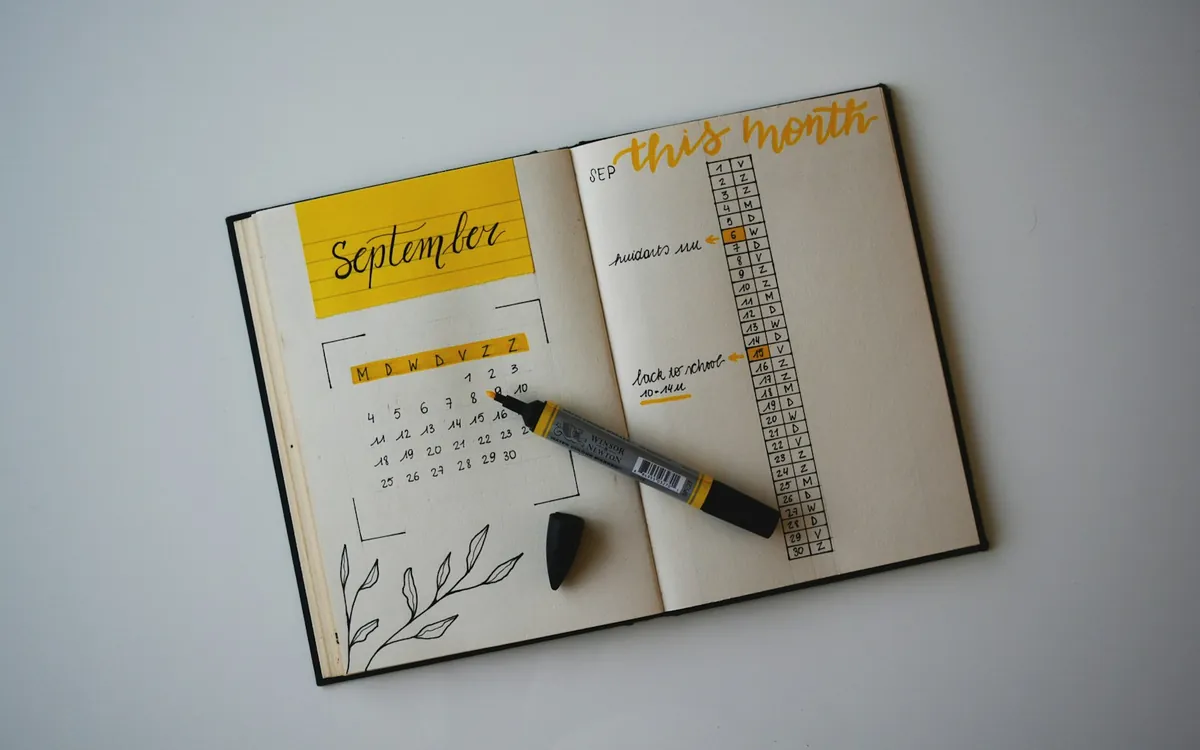
If your fitness goal involves learning a routine, getting more comfortable in the gym, or showing up consistently, a body-weight reading cannot answer every relevant question. Choose measures that describe the thing you are actually trying to improve.
A simple record is enough. This dashboard is for personal reflection, not a medical assessment or a promise that every number will improve each week.
Choose three measures with different jobs
If you have observations but no clear priority, start with choosing a fitness goal beyond weight. This guide helps track that goal once you have chosen it.
NHLBI recommends identifying the activity benefits that matter to you and considering an activity log to track progress. Use that general idea to select a small number of useful observations. Read NHLBI's advice on staying active.
- A process measure: Did you complete the visits you planned? Record both the plan and what happened.
- A learning measure: What can you now set up or explain that previously confused you? A qualified person's feedback is more useful than declaring your own technique perfect.
- A repeatable activity observation: How did a familiar, appropriate activity feel under similar conditions? Describe comfort and control rather than creating an all-out test.
Keep each measure specific. “I am fitter” is hard to interpret. “I can find the equipment in my routine and know which setup question to ask” gives you something concrete to recognize.
Fill in a private dashboard
- Review period: ______
- What I am working toward: ______
- Planned visits / completed visits: ______
- Skill practiced and feedback received: ______
- Familiar activity and what I noticed: ______
- Context that affected the comparison: ______
- What the observation does and does not establish: ______
You can keep this on paper or in a private note. There is no need to submit body measurements, symptoms, or a personal activity history to a gym chatbot.
Read an example without overclaiming
Imagine this entry: “Two visits planned, two completed. Practiced a machine setup with guidance and wrote down the adjustment. The same comfortable walk felt less rushed because I left work on time. Next step: use the same departure plan.”
That entry shows attendance, learning, and a useful scheduling observation. It does not establish that the person's cardiovascular fitness changed. A calmer day may explain part of the experience. Recording context keeps the conclusion proportionate to the evidence.
Keep the categories separate. Completed visits establish attendance, not a change in fitness. Learning an equipment adjustment records a skill, not proof that every repetition is correct. A more comfortable walk is an observation worth keeping, but its meaning depends on the conditions you recorded.
Keep comparisons fair and low pressure
Use a similar activity and note major differences such as the route, duration, equipment, or schedule. Do not make every review a maximum-effort test. If you want formal performance testing or a progression decision, ask a qualified professional to help choose an appropriate method.
A skill may improve before an exercise becomes heavier. A schedule may become more reliable without changing a body measurement. Let the chosen goal determine what you record rather than adding every metric a device offers.
Match the measure to a decision you actually need to make
Begin with a question rather than a device's list of metrics. If you want to know whether a new visit time is workable, record when you intended to leave, when you actually left, and whether the session fit. If you want to remember machine setup, record the confirmed adjustment and any question that remains.
For a learning goal, a useful note might be “I can explain the setup I was shown, and I will ask for feedback next visit.” For a schedule goal, it might be “The earlier appointment avoided the usual work conflict twice.” These notes make limited claims that your record can support.
When deciding how many days to plan, compare the fitness planner's routine options with your actual availability. Read its suitability statement first. Its schedule can organize a starting routine, but it cannot verify technique or establish a physical change from your attendance record.
Recognize an unfair comparison before drawing a conclusion
Imagine one entry describes a familiar walking route on a quiet morning, while another describes a different route after a rushed journey. The second outing felt harder, but the record changed several conditions at once. You can note the difference without labeling it a decline in fitness.
A more comparable pair would describe the same familiar activity with relevant details kept similar and differences recorded. Even then, one observation is not a diagnosis. The purpose is to create an interpretable record that can guide questions or a planned review.
- Different equipment: record which machine or setup you used before comparing its display.
- Different activity length: note the duration instead of comparing totals as if the sessions matched.
- Different schedule: record a major rush or delay that changed the experience.
- Missing information: mark the comparison uncertain rather than reconstructing precise details from memory.
Turn a learning note into an instruction request
Suppose your log repeatedly says “unsure about setup.” More rows of the same uncertainty will not resolve it. Ask a qualified person to check the issue, then record what was clarified. Personal training is available at Gym of Foley; confirm the scope, price, and appointment arrangement separately.
A staffed Gym of Foley tour can help answer whether the facility has the area or equipment you want to ask about. A tour itself does not certify exercise technique or substitute for individual instruction.
State what the observation can establish
Finish with two lines: “My record shows ______” and “It does not yet tell me ______.” That keeps a useful observation from becoming an unsupported conclusion. A concerning symptom belongs in a healthcare conversation, outside a scorecard that labels the day good or bad.
Use a staffed gym visit to ask about the facility arrangements needed for the routine you want to practice.
Progress-tracking questions
How many measures do I need?
Choose a small set you will use to make decisions. Three is the organizing example on this page, not a requirement. Remove a measure if you cannot explain what it helps you decide.
What if a number does not improve every week?
First ask whether the observations are comparable and whether the measure fits the goal. Do not assume that every fluctuation establishes success or failure, and do not use this worksheet to interpret concerning symptoms.
Should I add photographs or body measurements?
They are not required for the practical goals discussed here. Attendance, a clear learning question, and relevant context may be enough to decide what to do next.
Choose one question and one useful measure for the next review period. If the question concerns the space, book a tour to get the facility facts.
To organize the visits you want to track, explore the planner’s starting options within its stated limits.