
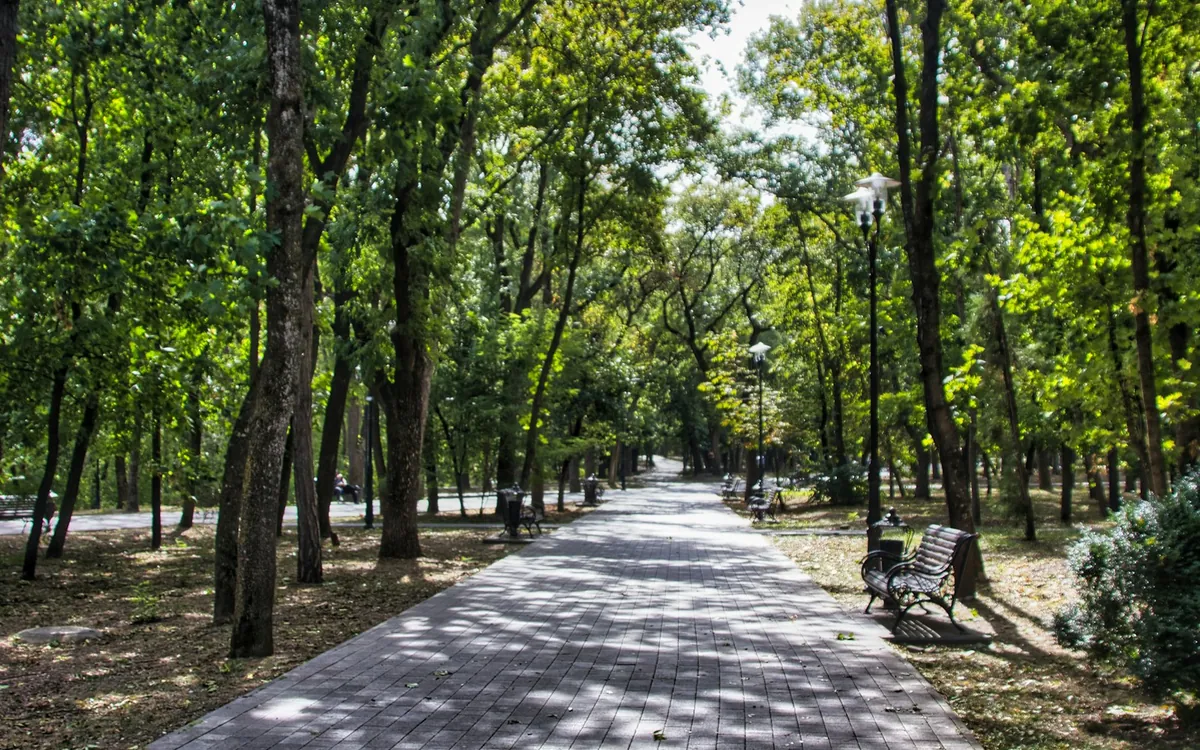
A walk can be a separate outing, a meeting with a friend, or part of a day that also includes the gym. Start by choosing the setting and logistics you want. A downtown stop and a nature-trail visit deserve different preparation, even when both appear on the same weekly calendar.
The places below come from official City of Foley information checked October 3, 2026. This is a planning comparison, not a firsthand trail review or a report of today's conditions. Confirm the details that matter to you before leaving.
Choose a setting to investigate
The City of Foley parks directory lists these options:
- Wilbourne Antique Rose Trail: A downtown trail one block east of Highway 59, featuring heritage roses. Use the city's route description to identify where you intend to enter.
- Heritage Park: Located at 125 E. Laurel Avenue in downtown Foley. The city describes a six-acre park that also hosts events.
- Melvin Roberts Park: Also called Cedar Street Park, at 901 N. Cedar Street. Its listed features include a nature trail with a gazebo.
- Graham Creek Nature Preserve: The city lists walking and hiking trails among the preserve's features. Follow the city's link to the preserve's own information when planning a specific visit.
Make a location card before you leave
Copy these prompts into a note. Fill the blanks with current information rather than assumptions from a park name.
- Meeting point: What exact entrance or landmark will we use? Have we both saved the same place?
- Access: What are the current opening rules, parking arrangements, and any closure notices?
- Route fit: Have I confirmed surface, crossings, seating, restroom access, or other features that matter to me?
- Time available: When do I need to leave, including travel to my next commitment?
- Change of plan: Who will check for updates, and how will we tell each other if the outing changes?
A location card is especially useful when two people know the same park by different names. A message saying “meet at Cedar Street Park” can leave the precise meeting point unresolved. Naming the entrance and confirming it together solves that planning problem without assuming either person knows the area well.
Check the day, not just the destination
CDC recommends checking local heat risk and air quality when planning activity in hot weather. Its heat and activity guidance links to those checks. A familiar route does not establish safe conditions for a particular day.
Before departing, review current weather and official notices. Set aside the outdoor plan if conditions make it unsuitable. Having an indoor alternative on your calendar does not make the journey to that alternative safe; travel conditions still matter.
Choose by the outing's purpose
Start with what you want the outing to accomplish, then investigate one suitable candidate. A brief meeting before another appointment may lead you to the downtown listings. An outing focused on a nature setting may lead you to the nature-trail or preserve information. This is a search method, not a claim that any route has a certain length, surface, or difficulty.
- A downtown meeting: investigate Heritage Park or the Wilbourne Antique Rose Trail and agree on an exact arrival point.
- A nature-trail question: investigate the city-listed Melvin Roberts Park trail and confirm the particular route details you need.
- A preserve outing: use Graham Creek's own current visitor information after finding it through the city's directory.
- A route with specific access needs: obtain those details directly rather than choosing from a broad description or image.
The selection is provisional until your important questions are answered. “It is listed as a trail” does not establish that it fits your circumstances or the time you have available.
Plan two destinations as two separate appointments
If you want a walk and a gym visit on the same day, give each a realistic start, finish, and travel window. Include any change of clothes or other preparation you need. Do not treat travel between the locations as exercise time or assume that finishing one outing early means you should make the other more demanding.
If seeing the gym is the purpose of the second stop, book a staffed Gym of Foley tour and plan the walk around the confirmed appointment. A tour is a look at the facility, not an included workout or a guarantee of immediate paid access.
For a broader starting week, the fitness planner can help organize activity days within its stated suitability limits. It does not know current trail conditions, local closures, heat risk, or which outdoor route is appropriate for you. Those checks remain separate.
Use a meeting message that names the decision points
A useful fictional message might read: “Let's confirm the exact entrance before setting off. I need to leave for my next appointment at the agreed time. We will check official conditions beforehand and postpone if the outing is unsuitable.” Fill in the actual location and time after verifying them together.
If someone suggests a different trail at the last minute, check the new route rather than assuming it has the same features as the original. This matters when your choice depended on a specific meeting point, surface, crossing, seating option, or time available. A change of name can mean a change in the plan's unanswered questions.
Give the walk a clear place in your week
Write one sentence about the outing's purpose: “Meet a friend,” “Explore a city-listed place,” or “Take a walk during the time I already have free.” Then decide whether it stands alone or belongs on a gym day. Leave travel and preparation time visible so the two plans do not compete for the same minutes.
After the visit, record practical observations for next time, such as the entrance you used or a question you still need answered. Avoid turning one visit into a permanent assumption about crowds, weather, or conditions.
Foley walking questions
Does this article report today's conditions?
No. It identifies official sources and planning questions. Weather, closures, events, and access arrangements need current checks before the outing.
Can I assume a downtown route is short and easy?
No. Confirm your actual route and the details that matter to you. A neighborhood label does not establish distance, crossings, effort, or accessibility.
Must a walk be added to a gym day?
No. It can stand alone, or you can leave it for another suitable day. Combining destinations is only useful when the complete plan fits.
Pick one candidate and complete its location card. For the gym part, confirm a staffed visit before building the rest of the day around it.
For a general weekly routine, review the planner’s suitable starting options separately from day-of-visit outdoor checks.