
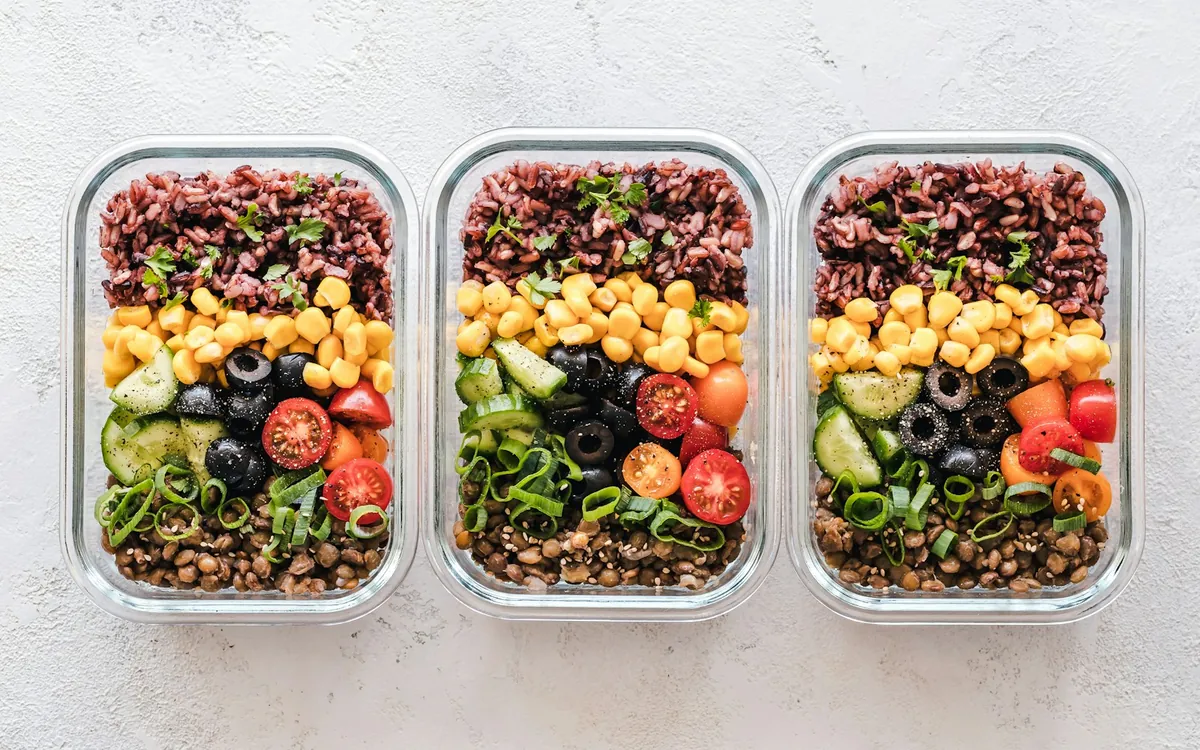
If you are thinking about cutting out sugar after having a baby, start with a smaller, clearer goal: reduce added sugar while keeping enough food in your day. Postpartum recovery already asks a lot of you. A strict food challenge, missed meals, or pressure to change your body quickly can make everyday eating harder.
For postpartum women in Foley, the useful first step can be as simple as comparing two yogurts or changing a regular drink order. You do not need to overhaul the kitchen this week.
Know which sugars you are reducing
Added sugars include sweeteners added during preparation or manufacturing, including table sugar, honey, and syrups. Naturally occurring sugars in whole fruit and plain milk are different. The FDA’s added-sugars guide explains that total sugars includes both kinds.
Reducing added sugar does not require removing fruit, milk, or every carbohydrate food. Keep nourishing foods you enjoy, including oats, beans, potatoes, and whole grains. The 2025–2030 Dietary Guidelines for Americans advise limiting added sugars and avoiding sugar-sweetened beverages, while including fruit and whole grains. These broad recommendations are not a personalized postpartum eating plan.
Protect regular meals, especially while breastfeeding
Before changing a food, ask: will the replacement still leave me with enough to eat? Trading sweetened yogurt for plain yogurt with fruit is different from skipping the snack entirely.
Breastfeeding generally increases energy needs. CDC guidance on maternal diet and breastfeeding describes an additional 330–400 calories per day for well-nourished breastfeeding mothers compared with their intake before pregnancy. Individual needs vary with activity, body size, age, and feeding pattern. This is context, not a calorie target to calculate from a blog.
Whether you breastfeed, formula feed, or combine the two, make room for regular meals and snacks that fit your appetite and care needs. Ask your clinician or a registered dietitian for individual advice, particularly if you are recovering from complications or have an existing nutrition care plan.
Choose a change that solves a real problem
Think about what you want to make easier. Perhaps sweetened drinks have become your default because they are the easiest thing to grab, or you would like a breakfast with less added sugar that still tastes good. Start with that specific situation. You do not need to label your entire diet good or bad to decide that one purchase could work better for you.
Write a simple intention, such as, “When I buy yogurt this week, I will compare two options I can afford.” That leaves room for your preferences and the reality of the store shelf. If the lower-sugar option costs more, tastes unpleasant, or is not available, another choice may be more practical. A useful habit has to work beyond the moment you first decide to try it.
Keep the goal separate from changing your body. A shopping experiment can be about learning a label, finding something you enjoy, or making meals easier. You do not need to attach a scale target, a deadline, or an exercise requirement to it.
Read one useful line on the label
Look for “Includes … g Added Sugars” underneath total sugars. Check the serving size too. Compare similar foods using the same serving amount rather than comparing the front-of-package claims.
For example, if two equal-sized yogurt servings list 12 grams and 4 grams of added sugars, the second has 8 grams less. That comparison does not tell you everything about either food; consider protein, ingredients, allergies, cost, and what you actually like eating. Our nutrition-label guide explains serving-size comparisons in more detail.
“Organic,” “natural,” and “made with honey” do not automatically mean lower in added sugar. Check the label instead of relying on those descriptions.
Compare the food you will actually eat
Consider a breakfast example. You usually eat a flavored yogurt with toast because it is quick. After comparing labels, you might choose a lower-added-sugar yogurt and keep the toast. Or you might try plain yogurt with fruit and decide that you prefer a mixture of plain and flavored yogurt. The helpful question is whether the new breakfast still works for you as a meal.
Avoid turning a label comparison into a reason to shrink every serving. Serving information helps you compare products; it does not set your personal meal size. A product with fewer grams of added sugar is not automatically the right choice if the portion leaves you hungry or the food does not meet your needs.
The same thinking applies away from home. If you order a drink with less syrup, you can still have your planned lunch. If the only convenient snack is the one you usually buy, you can eat and revisit the shopping decision later. Flexible follow-through is more useful than a rule that makes it difficult to feed yourself.
Try one manageable swap
Pick whichever of these fits something you already eat or drink:
- Order your usual coffee with less flavored syrup, or choose an unsweetened drink you enjoy. If breastfeeding, review caffeine choices with your care team as well.
- Replace one regular soda or sweetened fruit drink with water or unsweetened sparkling water. Keep meals and snacks available rather than using drinks to put off eating.
- Mix plain yogurt with your usual sweetened yogurt, then add fruit if you like. A gradual change may feel easier than replacing everything at once.
- Try plain oats with banana, cinnamon, and nut butter instead of a heavily sweetened oatmeal packet. Choose ingredients that suit your allergies and preferences.
These are options to test, not rules you have to follow. If a change leaves you hungry or makes eating more stressful, revisit it.
Make the easier choice available
Keep a few ready-to-eat foods where they are easy for you to reach: fruit, nuts, whole-grain crackers, or another snack you enjoy. Refrigerate foods that need it. Ask someone helping at home for a specific task, such as stocking snacks or preparing lunch, instead of taking on a new meal-prep project yourself.
At the end of the week, ask whether your chosen swap was convenient, satisfying, and affordable. Keep it if it worked. Eating something sweet does not mean you need to skip the next meal or compensate with exercise.
Keep a backup for disrupted days
A plan that depends on a calm morning and a fully stocked kitchen may not survive a busy week. Choose a couple of easy backup foods that suit your household, budget, and any allergies. Think in complete eating opportunities: something you can assemble for breakfast, a lunch that takes little effort, and a snack you can find without searching through cupboards.
A helper can make this concrete by asking what you want from the store, washing fruit, or bringing a meal you have requested. You can also keep a short repeat shopping list so the same decision does not need to happen every day. There is no need to buy a special postpartum product or replace every packaged food to compare added-sugar amounts.
For a simple weekly review, ask three questions. Did I have enough food available? Did the change suit my taste and budget? Would I choose it again? If the answer to the first question is no, address access to meals and snacks before adding more food rules. If a change is making eating feel anxious or increasingly restrictive, talk with your clinician or a registered dietitian.
Keep food goals and fitness planning separate
If you are also thinking about a future gym routine, you can Build your own fitness plan to explore the general tool. It is not a postpartum plan, rehabilitation service, or medical or nutrition assessment. Do not follow its generic calorie, macro, weight-loss, or exercise targets without guidance from your clinician. Your individual recovery and feeding needs take priority over an automatically generated target.
Before your next care-team conversation, write down what you would like help with. You might ask how to keep meals regular around feeding, whether a proposed food change fits your existing care plan, or who can provide personalized nutrition support. You do not need to arrive with a completed food diary or a perfect week to ask for help.
You can also book a gym tour through our visit page if seeing the space would help with future logistics. A staffed look around can be the whole visit; it does not need to follow a workout or a food goal. A tour is not a postpartum assessment, and it does not establish that you are ready to exercise. Choose an available time and wait for the booking confirmation before making plans around it.
Return to movement at your own pace
Food changes and returning to exercise are separate decisions. ACOG’s exercise-after-pregnancy guidance recommends a gradual return and individual advice after a cesarean birth or complications. Ask your clinician what is appropriate for your recovery.
When you are ready to look around, book a gym tour through our visit page. Choose an available staffed time; your appointment is booked only after the booking screen confirms it.
This article provides general education, not medical advice or individualized nutrition care. For general fitness planning, Build your own fitness plan. This tool is not postpartum rehabilitation, medical care, or postpartum nutrition care. Do not use its calorie, macro, weight-loss, or exercise targets as postpartum recommendations; review appropriate goals with your clinician first.