
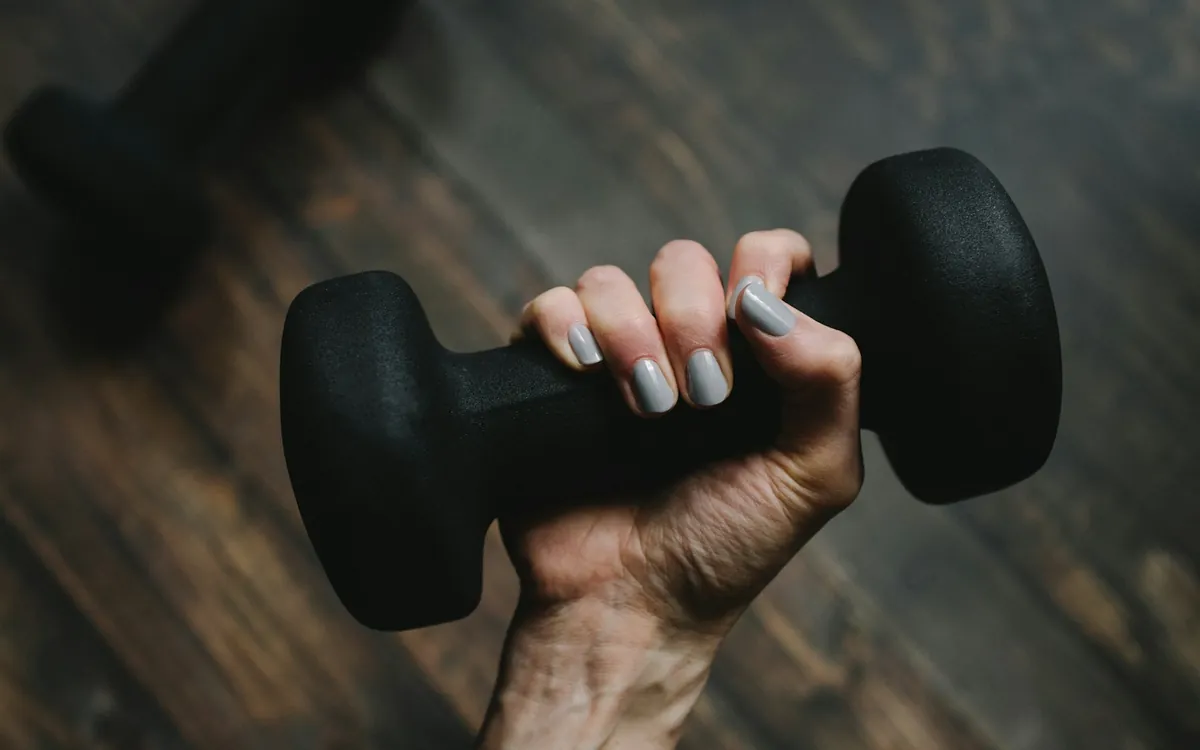
Overhead pressing should begin with a movement and setup you can control. If you cannot comfortably reach the intended position, adding weight is not the way to discover why. Start by describing what happens: where the movement stops, whether it hurts and whether you need to change your body position to finish the repetition.
A bodybuilding routine does not require you to earn a particular overhead shape on the first day. Choose exercises with a qualified trainer that fit your current ability and goals, and treat mobility work as practice rather than a contest to reach farther.
Separate mobility from a diagnosis
A restricted-looking movement can have more than one explanation. A quick wall test or social-media checklist cannot diagnose a shoulder problem, identify a specific tight muscle or guarantee that a particular stretch is appropriate. Pain, recent injury and a sudden loss of movement deserve a different conversation from ordinary questions about technique.
The American Academy of Orthopaedic Surgeons' shoulder conditioning guide advises professional supervision for its rehabilitation program and says exercise should not hurt. Do not turn a rehabilitation handout into a self-prescribed fix for unexplained symptoms.
Use an unloaded rehearsal before choosing resistance
After a comfortable warm-up, rehearse the movement without a working weight. Notice whether you can raise and lower your arms smoothly through the intended range without pain. Do not force your hands against a wall or have a partner push them farther to make a test look better.
Ask a trainer to observe the exercise you actually want to perform. A useful assessment includes the starting position, grip, path and how you manage your trunk through the movement. The goal is a repeatable exercise setup, not a single photograph that looks like someone else's.
Make the first adjustment specific
- If the movement is unfamiliar: practice the setup with instruction before increasing resistance.
- If the working weight changes your control: reduce it and reassess the same movement.
- If the intended range is uncomfortable: stop that attempt and discuss a suitable alternative rather than forcing the endpoint.
- If pain or new weakness is involved: seek healthcare advice instead of using a harder warm-up as a test.
A coach may choose a different pressing angle or another exercise that meets your training goal. The alternative should be demonstrated and comfortable; it is not automatically safe merely because the equipment is different. Confirm what is available and how it should be adjusted before using it.
Mobility and strength do not need separate identities
A systematic review of resistance training and range of motion found that resistance training with external loads can improve range of motion. This does not establish a specific shoulder treatment or mean you should load an uncomfortable end position. It does show why flexibility need not be treated as something that only happens during a separate stretching routine.
If you and a qualified professional add mobility practice, write down the exercise, comfortable range and intended frequency. Keep it small enough to follow consistently. Avoid collecting ten drills without knowing which movement each is meant to support.
Give the movement question a useful name
“My shoulders are tight” can describe several different experiences. Before changing your routine, write a more precise sentence. Perhaps you can raise your arms comfortably without weight but lose control under your chosen resistance. Perhaps the setup of one exercise feels unfamiliar. Or perhaps a movement hurts. Those observations point to different next questions and should not all lead automatically to more stretching.
For a technique question, a qualified trainer can watch the exercise, demonstrate the setup and help you select an appropriate starting resistance. For pain, recent injury or unexplained new weakness, seek healthcare advice. Keeping those roles clear helps you avoid asking a general gym program to answer a medical question.
Compare practice conditions before judging progress
Imagine you practiced an overhead movement with no load last week and a working weight this week. The second attempt is a different task. If it looks less controlled, do not assume your mobility deteriorated. Review the change in resistance and setup with the person helping you, rather than immediately adding a more forceful stretch.
The same caution applies when changing from standing to seated practice or trying different equipment. Record the variation. A movement that feels better with a different setup can be a useful exercise choice without proving that one joint restriction has been corrected.
Choose a small number of repeatable observations. Can you begin and finish the same movement under control? Can you follow the intended path without discomfort? Do you understand what should stay consistent as resistance changes? Those questions are more useful than attempting to reproduce a stranger's range in an online video.
Prepare a focused coaching conversation
Bring the exercise you want to learn, your training goal and the part you find difficult. Ask the coach to explain one adjustment at a time. If the recommendation is to use a different exercise, ask how that choice supports the goal and what would need to change before returning to the original movement.
You can book a staffed tour at Gym of Foley to see the facility and ask how personal training is arranged. Confirm whether you need a separate coaching appointment. A brief facility tour is not automatically a technique assessment, and member access outside staffed hours does not guarantee help will be available.
Make mobility practice easy to evaluate
If a qualified professional gives you a drill, record its purpose and the intended comfortable range. Ask what an acceptable sensation should feel like and when to stop. Do not assume that a drill needs to become painful to be effective or that a partner should push you farther when you reach a limit.
Keep the surrounding program stable enough to notice what happens. Changing your pressing exercise, load, grip and several stretches simultaneously makes it hard to understand the result. You may still need multiple changes for practical reasons, but write them down and avoid claiming that one drill caused every improvement.
For the broader weekly schedule, build your own fitness plan and treat the result as an outline to review. It cannot diagnose a shoulder issue, clear you for exercise or replace a clinician's rehabilitation plan.
Questions lifters commonly ask
Do I need overhead pressing in every upper-body workout?
This guide does not prescribe that requirement. Start with your goal and a program you can perform appropriately. Ask a qualified trainer how exercise choices fit together rather than adding a movement solely because someone else's routine includes it.
Should I retest my farthest reach every day?
A repeated maximum attempt is not necessary to keep useful records. Consistent, comfortable practice and the reassessment agreed with your professional give you a clearer basis for decisions. If symptoms change, report that instead of trying to produce a better number.
Measure a useful change
Look for more consistent control in the same exercise setup over time. Record the movement, resistance and any symptoms, rather than judging progress by how extreme a stretch looks. A heavier press achieved with a different range is not the same comparison. Our workout-log guide helps you keep those details useful.
Book a staffed tour of Gym of Foley to see the space and ask about personal training. Use Choose a tour time; tours run Monday–Thursday during staffed hours and are booked only after the booking screen confirms the appointment.