
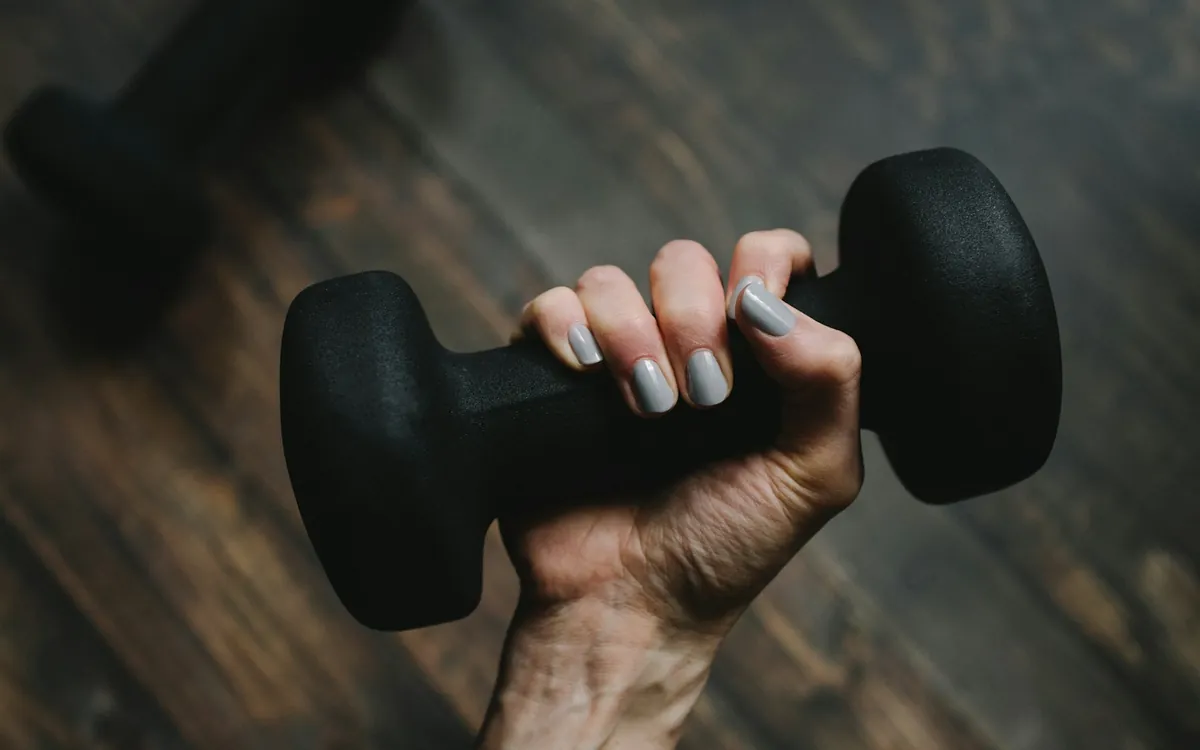
A workout buddy can share an appointment without sharing your exact workout. You can arrive together, encourage each other, and leave with different sets, loads, or activity choices completed.
CDC includes social support among ways to make activity easier to organize.
The practical question is what kind of support each person actually wants. A little agreement at the start can prevent a shared plan from becoming another source of pressure.
Agree on the meeting before the workout
Choose the day, arrival time, meeting point, and expected finish. “After work” may mean different things to two people. If one of you depends on transportation, make that clear before the appointment.
Decide how long you will wait if the other person is late and how you will communicate a change. Keep the rule realistic and considerate. You do not need to provide a detailed personal explanation every time a session must move.
Example wording: “We will meet at the agreed entrance at 6. If either of us is delayed, we will send a message when it is safe to do so. The other person can start their own plan.” Choose your own time and terms rather than adopting this example automatically.
Each person can use the fitness planner to organize a general routine suited to their own experience and schedule. Compare appointment times afterward; matching the same output, pace, or resistance is not a requirement for training together.
Decide what is shared and what is individual
For adults following suitable activity plans, a shared visit might include a conversation on arrival, separate workouts, and a check-in before leaving. It does not need to mean matching pace, resistance, exercise selection, or session length.
- Shared: an appointment, encouragement, or a familiar appropriate activity both people enjoy
- Individual: medical restrictions, program choices, technique needs, effort, and whether to stop
- Needs discussion: changing an exercise, giving feedback, recording video, or waiting while the other finishes
Ask before offering technique advice. Being a supportive friend does not make someone a qualified coach or competent spotter. If a lift requires specific assistance or safety equipment, arrange it appropriately rather than assuming your buddy can provide it.
Give both people a cancellation plan
If one person cancels, the other should know whether to go independently, choose a familiar alternative, or reschedule. There is no single correct choice; the point is to avoid a last-minute negotiation every time.
A fictional pair, Lee and Robin, agree to meet twice during a particular week. Robin cancels one visit. Lee continues with an appropriate independent plan, while Robin chooses the next suitable opportunity. Neither adds extra work as repayment, and neither requires the other to make up the missed social time through exercise.
If one person cancels repeatedly, revisit the arrangement. Perhaps one shared appointment is realistic while the remaining activity should stay independent.
Set boundaries for privacy and encouragement
Talk about what you would like celebrated: keeping an appointment, learning a movement, or simply making time for a suitable activity. Avoid assuming that weight, appearance, or lifting heavier is the other person's goal.
Ask before taking photographs or recording video, and respect facility rules and other visitors. Do not share the other person's workout notes, health information, or body measurements without permission. A private arrangement can remain private.
You can also agree on what is unhelpful: comparisons, comments about food, pressure to train through pain, or public teasing about cancellations. Encouragement should leave room for a genuine “not today.”
Check access for each person
Each person should confirm their own valid access for the visit. Do not assume your membership includes a free guest, share entry credentials, or rely on following someone through a controlled door. Review the selected product's terms and ask staff about anything unclear.
Use our pass and membership comparison when your access needs differ. One person may be visiting Foley while the other plans to train locally.
Choose the kind of partnership you actually want
A workout-buddy arrangement can take several forms. You might share the journey and then train independently, meet for a familiar suitable activity, or simply check in after separate sessions. Choose the arrangement explicitly so one person does not expect coaching while the other expects company.
- Shared arrival: agree on the meeting and finish time, then follow individual plans.
- Shared activity: choose something genuinely suitable for both people, with freedom to adjust or stop independently.
- Separate sessions with a check-in: agree what kind of update is welcome without requiring proof, photos, or a detailed log.
The arrangement can change when schedules or preferences change. A useful partnership does not need to include every workout.
Work through unequal schedules before they cause frustration
Imagine a fictional pair, Cameron and Jules. Cameron has an hour, while Jules needs to leave after forty minutes. They can share the arrival and complete their own plans, with Jules leaving on time. Cameron's longer availability does not create an obligation for Jules to stay.
If they share transportation, the difference needs to be resolved before departure. Options might include selecting a common finish time or arranging independent travel. Agreeing in advance is more considerate than negotiating while one person is halfway through an exercise.
They also decide that a delay message does not require a reply during exercise or while driving. Each person can follow the agreed independent plan and read the message when it is appropriate to do so.
Use encouragement that leaves decisions with the other person
Ask what support is useful: a reminder before the appointment, company on the journey, or a brief acknowledgment afterward. Someone may welcome practical help and dislike commentary on performance. Preferences can differ without either person being unmotivated.
Useful wording might be, “Do you want company for that session?” or “Would you like me to remind you about the time?” Avoid making encouragement conditional on a particular weight, appearance, calorie number, or attendance streak.
If the other person reports pain or concerning symptoms, do not answer with pressure to finish the planned set. Respect the decision to stop and seek appropriate help. Friendship is not a substitute for medical advice or qualified exercise instruction.
Set a coaching boundary before sharing equipment
Taking turns at a station does not mean the same setup or resistance fits both people. Each person should understand the exercise and make their own appropriate adjustments. Keep records separately so one person's settings do not quietly become the default for both.
If either person needs instruction, arrange it rather than relying on improvised advice. Gym of Foley offers personal training; ask about the available format, pricing, and scheduling instead of assuming a joint session or coaching is included. Book a staffed tour if you first need to confirm how the facility fits each person's plans.
Review the agreement when it stops helping
After trying a few shared appointments, ask three questions: Did the time work? Did each person retain control of their activity? Was the support actually welcome? One concrete adjustment may be enough.
If repeated cancellations cause frustration, reduce the commitment to a dependable shared visit or choose separate sessions with occasional check-ins. If unwanted advice or privacy problems continue, set a firmer boundary or end the arrangement. You can remain friends without making exercise a shared obligation.
Keep health details, private messages, and workout notes private unless the person agrees to a specific sharing purpose. A shared appointment does not create permission to post photographs or report somebody else's progress.
Your short agreement
Before you start, write down: meeting place and time; finish time; late-or-cancel message; independent fallback; preferred encouragement; privacy boundaries; each person's access plan.
A useful buddy arrangement makes room for two people, rather than making one person's routine the rule for both.
Agree on the meeting, independent fallback, and support each person wants. Book a tour to check the facility together.
Use the fitness planner individually before coordinating the shared calendar.