
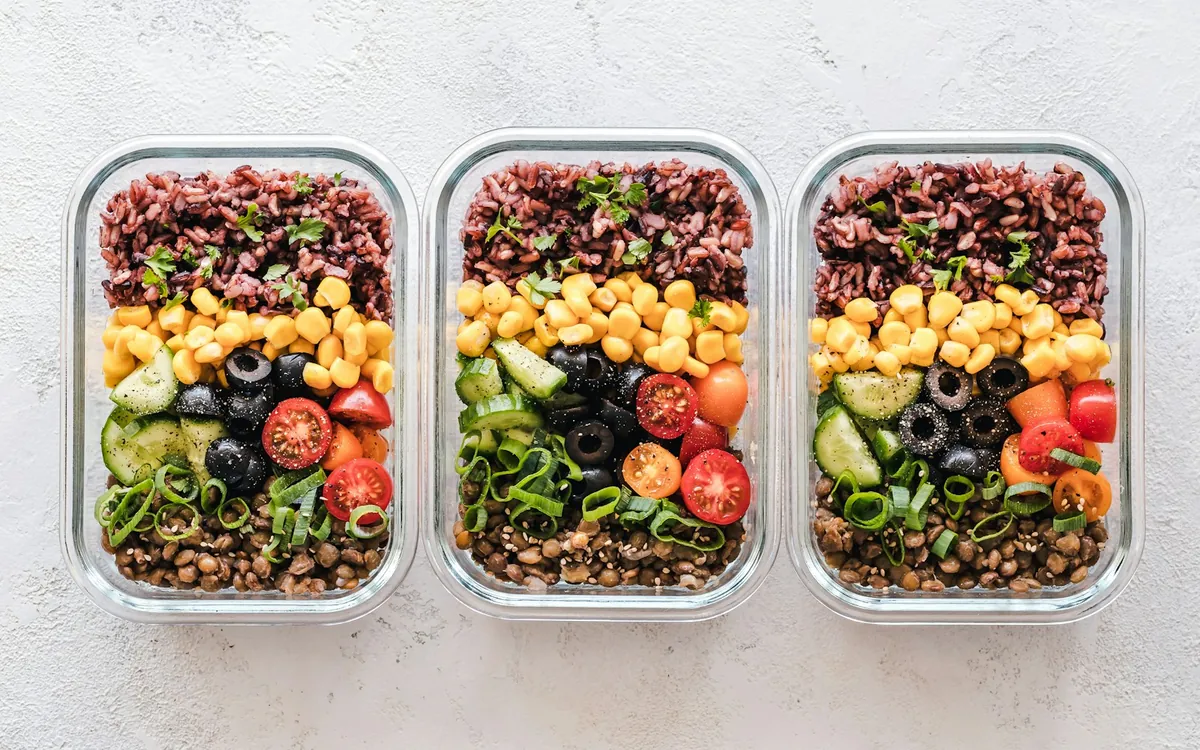
A weekly meal plan can fail even when every recipe looks appealing. The problem may be that Tuesday leaves ten minutes to prepare dinner, Thursday ends away from home, and the shopping list assumes a quiet weekend that never happens. Plan those conditions first, then choose the food.
The worksheet below organizes meals around a training week without prescribing portions, calories, or a weight-change goal.
Mark the evenings before naming the meals
For each day, write whether you expect an ordinary evening, a rushed evening, or a meal away from home. Add any shared plans that affect the answer. A training session is only one part of the timetable; include the journey and whatever must happen afterward.
- Day and evening type: ______
- Realistic time and place to eat: ______
- Available preparation time: ______
- People whose plans need to agree: ______
- Most likely disruption: ______
Give each day a main plan and a simpler version
Use meals you already enjoy. CDC recommends planning meals and having suitable snack options available; its food guidance includes variety across produce, grains, and protein foods. Read CDC's meal-planning guidance.
For example, an imaginary Monday could have a vegetable-and-bean bowl as the main plan. The simpler version uses ingredients already ready to assemble. A Thursday away from home could mean checking a restaurant's current menu beforehand, with a different nearby option if it is closed. Neither example establishes a required meal or portion.
The backup should reduce decisions or preparation. “Cook a different complicated recipe” is usually a second main plan, not a useful fallback.
Build a short shopping list from the plan
- Check what is already available. Look at the actual ingredients you can use, not the ones you remember buying.
- Write missing items by meal. This reveals whether several meals depend on an ingredient you forgot.
- Notice repeated ingredients. Decide whether they make shopping easier or would become repetitive for your household.
- Add the backup. A fallback is not available just because it appears on paper.
- Confirm storage and preparation. Follow food-storage directions; choose a different plan if the necessary storage is unavailable.
If the list is too expensive or the shopping trip too long, simplify a meal before abandoning the whole plan. Keep the part that fits your budget and the foods you actually like.
Use a five-line meal card
Make one card for the evening most likely to be difficult:
- Main meal: ______
- Ingredients already available: ______
- What I need to buy or prepare: ______
- When that preparation can really happen: ______
- Simpler backup: ______
Follow any clinical eating plan. FDA advises reading labels and avoiding known allergens; sample meals do not override those needs. Review the food-allergy guidance.
Agree on the household decision before the shopping list
If more than one person shares meals, compare the evenings when you will actually eat together. Ask who will buy ingredients, prepare the meal, and handle a changed plan. “We have food at home” does not settle those responsibilities, especially when one person is training and another is arriving later.
Keep the agreement short: “Tuesday is a shared dinner, I will prepare it, and we will use the simpler version if I get home late.” If separate meals make more sense, write that down instead. The goal is to remove an unresolved decision, not to make everyone follow the same food preferences or training schedule.
When sketching gym days with the fitness planner's general routine options, leave the meal arrangements beside the schedule. Read its suitability limits before using it. An exercise template does not account for your household's allergies, clinical eating plans, budget, or food preparation responsibilities.
Reuse ingredients without repeating the same dinner
Choose a few ingredients that already fit meals you enjoy. A fictional household might plan beans and rice with vegetables one evening, then use appropriate portions of available ingredients in another familiar dish later. Each use still needs a safe storage and preparation plan; writing the same ingredient twice does not establish how long a prepared food can be kept.
Make an ingredient map with three lines:
- First meal: the dish, ingredients required, and person preparing it.
- Second use: the ingredient needed again and the meal it belongs in.
- Storage check: the instructions or official food-safety guidance you will follow between uses.
If the later meal cannot be stored or prepared appropriately, choose a different plan. Ingredient reuse is useful when it simplifies a real decision, not when it creates an assumption that all leftovers will remain suitable indefinitely.
Resolve a Wednesday clash before it happens
Imagine Alex expects to cook after the gym while Jordan expects dinner before a late meeting. Both see “Wednesday dinner” on the calendar, but the times conflict. Comparing the actual schedule on Sunday reveals the issue before anyone is hungry and waiting.
They decide on a meal arrangement each can use at the appropriate time, with storage and reheating handled according to the relevant instructions. They also decide who will buy the missing ingredients. The improvement is coordination, not a new recipe or a nutrient target.
If the gym visit itself is still undefined, arrange a staffed tour to confirm the facility details. Then place the realistic visit and travel window on the household calendar rather than assuming the workout ends the moment the final exercise does.
Review the bottleneck, not every bite
At the end of the week, ask which meal required an unexpected decision. Was an ingredient missing? Was the preparation time unrealistic? Did two people assume the other was cooking? Change that one part of the plan for the next week.
For help choosing protein foods within your meals, use the protein-food planning worksheet. This page's job is to make the whole week's logistics work.
Flexible meal-planning questions
How many new recipes should I add?
There is no required number. A week built from familiar meals can still be a useful plan. Add a new recipe only when its shopping and preparation fit the available time.
What if someone dislikes the planned meal?
Resolve it while planning. A shared base with separate suitable additions, or different meals, may be more practical than repeatedly purchasing food someone will not eat.
What if the fallback also fails?
Record why: missing ingredients, unavailable storage, an unrealistic preparation step, or a changed schedule. Replace that part of the fallback before calling it ready for next week.
Start with the most difficult evening and agree on its main plan, owner, and backup. Use the planner's scope notes and schedule options only where they help organize the activity part of that week.
For unanswered gym logistics, book a staffed tour that fits the household calendar.