
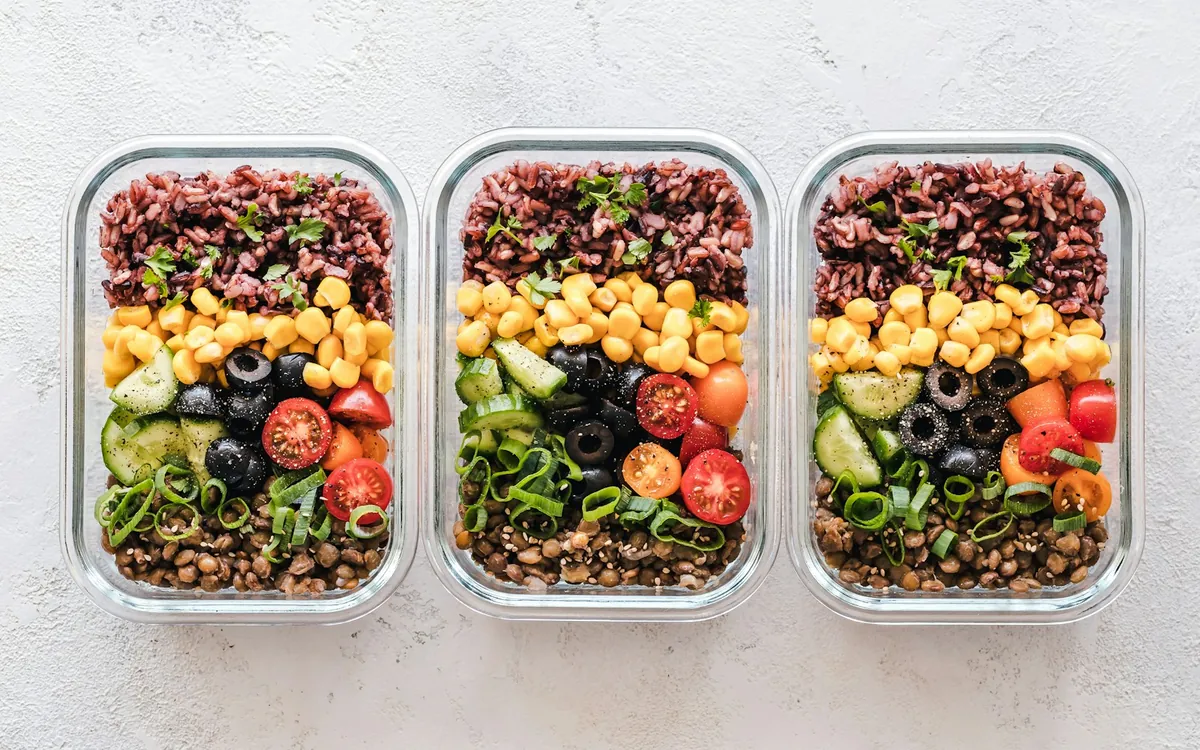
Planning protein foods does not have to begin with a shake, a new recipe collection, or a daily spreadsheet. Start with the meals you already eat and identify which foods you enjoy that provide protein. Then solve the shopping and preparation problems that make those meals difficult on busy days.
This is a food-planning worksheet for adults, not a personalized protein target or a promise about muscle gain.
Make a short list you would actually use
Protein comes from both plant and animal foods. Examples include beans, lentils, soy foods, eggs, fish, poultry, dairy foods, nuts, and seeds. You can choose within your preferences rather than assuming one food is required. See MedlinePlus's overview of protein foods.
List a few choices in three practical groups:
- Ready with little preparation: Foods I like and can use conveniently: ______
- Easy to cook: Foods I am comfortable preparing: ______
- Backup: An alternative I will genuinely eat when the original plan changes: ______
Check your cupboard, freezer, and refrigerator before making the shopping list. A familiar ingredient already at home may be more useful than a food purchased only because a training post called it essential.
Attach the food to a meal
Healthy eating includes a variety of foods, not just protein. CDC's guidance includes vegetables, fruit, whole grains, and different protein sources. Read CDC's healthy-eating overview.
Here are four illustrative combinations to help you think about your own menu:
- Beans with rice and vegetables you enjoy
- Eggs with toast and fruit
- Tofu with noodles and vegetables
- Fish or chicken with a grain and a vegetable side
These are menu ideas, not equal-protein exchanges or complete daily diets. Portions, products, and preparation change the nutritional content. Use combinations that suit your appetite, budget, culture, and any professional advice you follow.
Use the meal-and-backup worksheet
- Meal: What I plan to eat: ______
- Protein food: What is already part of it: ______
- Preparation: What must be done, and when: ______
- Missing ingredient: What belongs on the shopping list: ______
- Backup: What I can substitute if the plan changes: ______
For example: “Wednesday dinner: bean-and-rice bowl. Beans are in the cupboard; vegetables need buying. Prepare dinner after work. If the evening becomes busy, use the same ingredients in a simpler bowl instead of attempting a new recipe.” The practical win is having a usable plan, not achieving a particular protein number.
Compare a food by the job it needs to do
A useful food choice has to fit more than a nutrient category. For each candidate, check the meal it belongs in, how much preparation it requires, what storage it needs, and whether the people eating it actually like it. A food that requires equipment you do not have is not a convenient option simply because its package says “ready in minutes.”
Use these practical swap questions without assuming the foods are nutritionally identical:
- Cooking time is the obstacle: could a suitable ready-to-use version of an ingredient fit the meal, with its own storage and label instructions checked?
- Cost is the obstacle: can a familiar bean, lentil, egg, soy, dairy, fish, or poultry option fit your preferences and budget?
- Storage is the obstacle: can you choose a suitable ingredient whose unopened storage instructions match what you can provide?
- Taste is the obstacle: can you use a food you enjoy in a familiar dish rather than buying another product you are unlikely to eat?
Those are shopping decisions, not gram-for-gram substitutions. Check portions and labels if you need nutritional comparisons, and follow any individual dietary guidance.
Work through a meal that gets interrupted
Imagine Lee plans tofu, noodles, and vegetables for Wednesday dinner. Before shopping, Lee checks what is already available and discovers the noodles are missing. The list becomes specific: buy noodles and vegetables that fit the meal. Lee also identifies a simpler preparation using familiar ingredients for a late evening.
When Wednesday's workout runs later than expected, Lee uses the simpler version rather than ordering an unfamiliar supplement to “make up” for the change. The goal was to have an ordinary meal available. The lesson is to make the fallback concrete: ingredients, storage, and preparation should all be possible when the main plan becomes inconvenient.
If you are organizing gym days at the same time, the fitness planner can help sketch a general weekly routine within its stated suitability limits. Its estimates do not determine which foods are appropriate for a medical condition or replace a registered dietitian's advice.
For the training part of the week, use a staffed Gym of Foley tour to check the space and access arrangements. Keep food planning focused on your kitchen, schedule, and needs.
Check the budget using the amount you will use
Write down the package price and how it fits your intended meals. A larger package may look attractive but creates a different storage and use question. Compare the actual options available to you instead of assuming that bulk, fresh, frozen, canned, or a branded fitness product is always the cheapest choice.
For example, a fictional $6 package used across three planned meals costs $2 per meal for that ingredient. If your household will only use it once and the rest cannot be stored or used appropriately, the practical comparison changes. This arithmetic describes an invented shopping choice; it does not set food portions or promise a particular nutritional value.
Keep important exceptions visible
Read ingredients and allergen information; avoid known allergens. A protein list does not establish suitability. Review FDA's food-allergy guidance.
If a condition affects your diet, follow individualized advice. NIDDK explains why protein needs in kidney disease require a personal plan. Read that nutrition guidance.
For the next shopping trip, choose one meal to make easier. You can expand the list once that choice works in your real week.
Protein-food planning questions
This worksheet organizes foods and meals. For the separate question of interpreting a daily gram range, read protein targets for muscle-building adults; an example range is not an individual prescription.
Do I need a shake to have a plan?
No special product is required to complete this worksheet. Start by identifying protein foods in meals you already enjoy, then ask a qualified professional if you need individualized nutrition advice.
Can two people share a meal but choose different foods?
Yes, as a planning approach. A shared grain-and-vegetable base can leave room for separate suitable additions. Check allergies, preparation, and storage rather than assuming a shared meal must be identical for everyone.
Choose one meal to improve before your next shopping trip. If visiting the gym is also new, book a tour that fits around that week's commitments.
To organize the gym days around those meals, review the planner’s scope and starting schedule options.