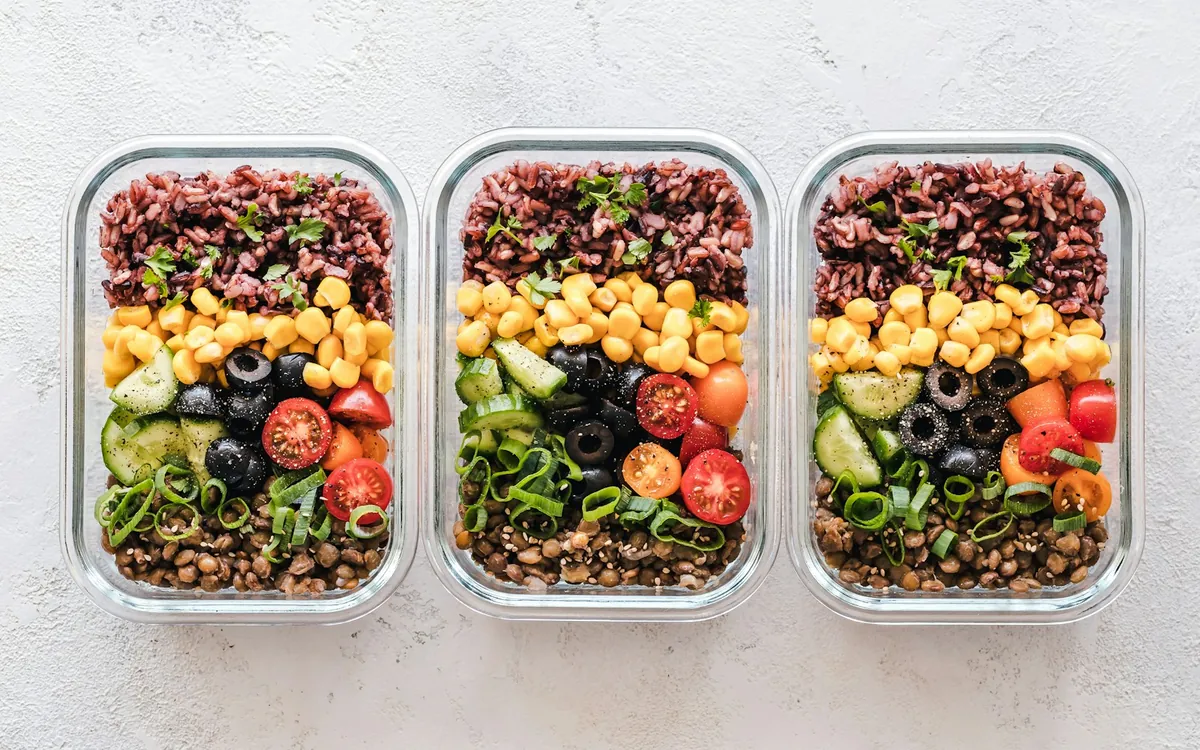
A plant-based bodybuilding meal works best when it is designed as a complete meal, rather than an ordinary meal with the main ingredient removed. If you take chicken out of a rice bowl and change nothing else, you have changed more than the recipe's name.
Start by deciding what “plant-based” means for you. Some people include eggs and dairy; others avoid all animal foods. Those preferences affect the foods available, so your plan should say what you actually eat instead of relying on a broad label.
Choose the protein component deliberately
MedlinePlus’s guide to protein in the diet describes plant protein sources including beans, legumes, nuts, and soy foods. Tofu, tempeh, lentils, and beans offer useful starting points for building meals. Eggs and dairy may fit a vegetarian pattern when included by choice.
For example, a rice bowl could use tofu with vegetables and a peanut sauce. A pasta dish could include lentils or a suitable soy-based ingredient. A bean burrito can include vegetables and avocado, with eggs or dairy if those fit your preferences. These are combinations to adapt, not nutritionally identical substitutes.
Check the replacement rather than assuming
Plant-based products vary. A beverage made from one plant ingredient can differ substantially from another in protein and fortification. A vegetable patty may be mostly vegetables and starch; another may provide considerably more protein. The front of the package does not settle the question.
Look at the specific product and the portion you plan to eat. If you are tracking protein under appropriate guidance, use those numbers. Do not copy the nutrition information from a different brand just because both packages say “plant-based.”
Rebuild a familiar recipe step by step
Choose one meal you already enjoy, such as a rice bowl, pasta dish, or wrap. Identify the ingredient that will serve as a deliberate protein source, then check that the rest of the meal still works. A tofu rice bowl might need a different seasoning or cooking method from the chicken version, while a lentil sauce may suit the original pasta recipe with fewer changes.
Taste the new version before making a large batch. The texture and portion you enjoy may differ from what looked appealing online. If you dislike the result, change the recipe rather than concluding that plant-based eating requires tolerating food you do not enjoy.
Also ask whether the recipe fits your facilities. A meal that requires a long preparation sequence may suit a free evening but not a short lunch break. Keep one easy assembled option alongside meals you cook from scratch. Convenience foods can play a practical role without becoming the entire plan.
Compare plant-based products carefully
Suppose you are choosing a beverage to add to breakfast. Read the protein amount, serving size, and fortification information on the actual package. Then ask what role it will play in the meal. Is it mostly being used for flavor, or are you relying on it to contribute meaningfully to a planned nutrient intake?
The same reasoning applies to meat alternatives. Two products in the same refrigerator case may have different ingredients, portions, and nutrient profiles. You do not need to declare one universally superior. Choose based on the meal, your preferences, any allergies, and relevant professional advice.
Keep ingredient safety separate from macro planning. A product that fits a protein target is not automatically safe for someone with a food allergy. Check the label and follow individualized medical guidance; a recipe name or plant-based claim is not enough.
Work with a realistic training schedule
A more elaborate diet will not create extra hours for training. If you are still deciding how many sessions fit your week, build a starting fitness plan and use the general example to organize your calendar. You can then identify when meals need to be prepared or carried, without treating the tool as a personalized vegan nutrition assessment.
If you would like to see the training space first, schedule a staffed Gym of Foley tour through the visit page. Ask about gym access and personal training availability, then confirm the appointment in the booking flow. A tour helps with training logistics; it does not establish that gym staff provide specialist plant-based dietary care.
Prepare a useful nutrition appointment
Bring a short description of what you actually eat, including fortified foods and any supplements already used. List the foods you avoid and why, whether for preference, allergy, ethics, or medical advice. These distinctions help a registered dietitian suggest alternatives that respect your circumstances.
Ask which nutrients need particular attention in your pattern and how the professional recommends assessing them. A general bodybuilding article cannot determine whether you have a deficiency or need a particular dose. Do not use a symptom checklist from social media to diagnose yourself.
Mention budget and access as well. A plan built around products you cannot reliably buy is not a good practical plan. The useful outcome is an eating pattern you can follow, not a list of fashionable ingredients.
Questions about plant-based muscle-building meals
Must every meal use a meat substitute? No. Beans, lentils, tofu, and other familiar ingredients can be the center of a meal without imitating meat. Choose recipes for taste and practicality.
Does “vegan” automatically describe a high-protein food? No. The term describes what is excluded, not a guaranteed protein amount. Look at the ingredients and nutrition information.
Do you have to change every meal at once? A gradual recipe-by-recipe approach can make preferences and practical difficulties easier to identify. If a medical condition affects your diet, coordinate changes with your care team.
Avoid making every meal enormous
Some people find that increasing beans, vegetables, and whole grains all at once makes meals difficult to finish comfortably. That is a practical reason to change gradually and use variety. You do not have to put every plant food you know into the same bowl.
Experiment with familiar combinations and preparation styles. Tofu in a stir-fry, lentils in a sauce, and beans in a wrap may be easier to rotate than repeating one very large salad. If gastrointestinal symptoms persist, seek professional advice instead of eliminating more foods on your own.
Remember that macros are not the whole nutrition plan
Vitamin B12 deserves particular attention in a vegan pattern. The NIH vitamin B12 fact sheet explains the greater deficiency risk when animal foods are excluded. Plan reliable B12 sources with a qualified professional; do not assume unfortified plant foods cover the need.
A registered dietitian can also assess overall adequacy, food availability, and any relevant health concerns. Hitting a protein number does not prove that all micronutrient needs have been met. This article is not a supplement dosing guide.
Test one meal before redesigning the week
Choose a meal you already like and develop a satisfying plant-based version. Check the protein ingredient, the carbohydrate component, the produce, and the flavor. Ask whether it is affordable and realistic to make again.
Once that version works, add a second option. A small collection of meals you genuinely enjoy is a more useful foundation for consistent lifting than a rigid menu you are eager to abandon.
For a related practical step, learn how to build a practical collection of protein foods.
Put the plan into practice in Foley
To check the facility before choosing a routine, book a staffed Gym of Foley tour. Wait for the booking screen to confirm your appointment. A tour does not include a workout or personal-training session; ask staff about separate training arrangements.
Build your own fitness plan to connect your training goals with a practical starting routine. The tool provides general educational estimates and example plans for eligible adults, not individualized nutrition treatment or a promise of results.