
Protein advice becomes confusing when a food label uses grams, a trainer talks about body weight, and a social post gives a percentage. Before choosing a target, make sure you know which measurement you are looking at. A gram of protein is not the same as a gram of chicken, yogurt, or tofu.
For healthy adults who exercise, the International Society of Sports Nutrition protein position stand describes about 1.4–2.0 grams of protein per kilogram of body weight per day as sufficient for most exercising individuals. This is a population-level range, not a personalized prescription, and more is not automatically better.
Work through the units once
An illustrative adult weighing 75 kilograms would multiply 75 by each end of the range. That produces 105–150 grams of protein across a day. This arithmetic example is not a recommendation that every reader should weigh 75 kilograms or eat within that exact numerical interval.
If you know your weight in pounds, divide by approximately 2.2 to express it in kilograms. Do not accidentally multiply a kilograms-based recommendation by a pounds measurement. Also check whether a calculator is using current body weight, another weight estimate, or assumptions it does not explain.
Translate the total into ordinary eating opportunities
Once a suitable daily amount is established, look at your actual meals. You might include a protein food at breakfast, lunch, and dinner, with an additional eating opportunity if that helps. Do not assume every meal must look identical or that one missed snack ruins the day.
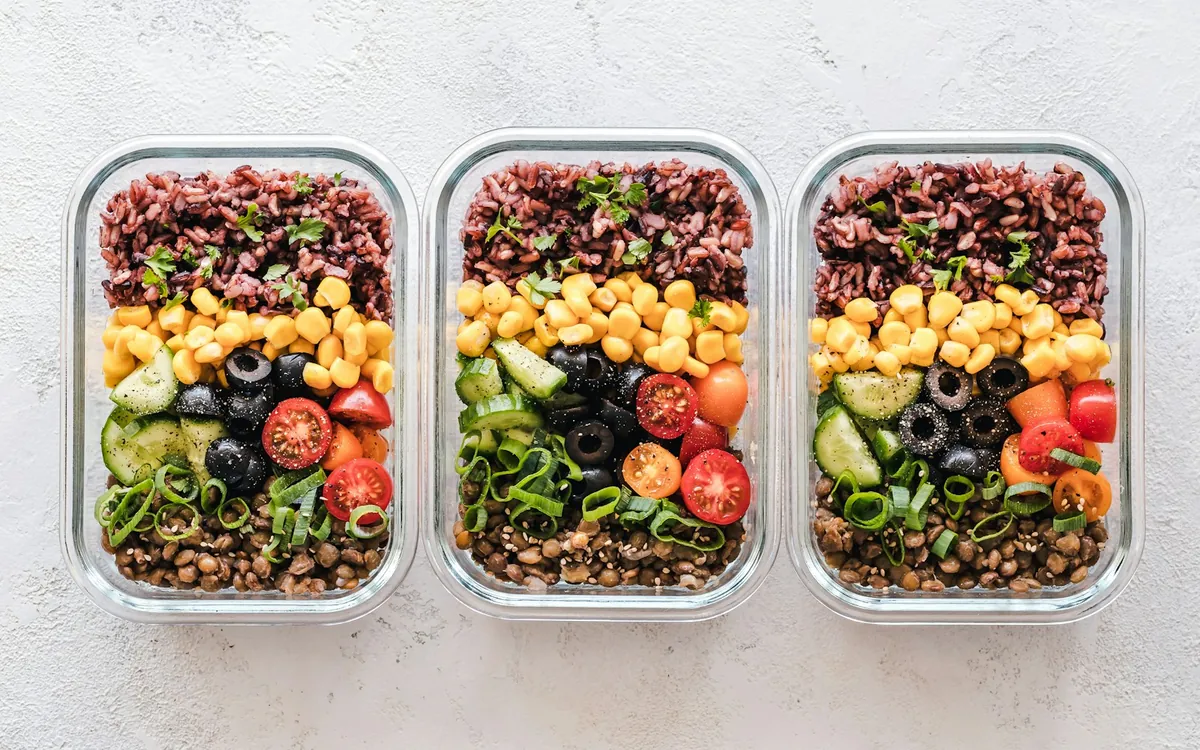
For example, breakfast could include yogurt or eggs, lunch could contain beans or fish, and dinner could feature tofu or poultry. Use the package or a reliable food-composition database to estimate the amounts in your own portions. “One bowl” and “one serving” are not standardized quantities across kitchens.
A useful exercise is to review a single ordinary day without trying to optimize it. Identify which meals already contain a meaningful protein source and which meals are mostly an afterthought. Improving one neglected meal may be easier than adding a large, unpleasant serving at night.
Use a protein target as a planning question
Suppose the illustrative 75-kilogram adult from the calculation has discussed an appropriate target with a dietitian. The next task is not to buy the biggest tub of powder. It is to look at the meals already being eaten and see how the target could fit. A breakfast containing a familiar protein food may be more manageable than trying to add everything at dinner.
Write down the foods and portions for one typical day, then check the information you actually have. A packaged yogurt provides a label; a homemade bean dish may require a recipe estimate. Keep uncertain portions marked as uncertain. The exercise is useful even if the total is approximate, because it can reveal long stretches when meals were never planned.
Do not use an unusual celebration meal or your most carefully organized day as the only example. Include the day when work runs late. A protein plan that works only when your schedule is perfect has a practical weakness worth addressing before you pursue a more exact number.
Check three common measurement mix-ups
First, food weight and protein weight are different. A portion weighing 150 grams does not necessarily contain 150 grams of protein. The label or food-composition entry tells you the protein content of that portion. Read both numbers rather than assuming they refer to the same thing.
Second, prepared and unprepared foods can have different weights. If a food entry specifies cooked weight, do not apply it to a raw portion without checking. You do not need to memorize every conversion; you need to choose an entry that describes what you measured.
Third, a scoop or cup is only as informative as its stated size. Two products can use different scoops, and two people can fill the same cup differently. If a clinician or dietitian has asked you to quantify intake, clarify the method they want you to use instead of switching among incompatible measurements.
Make room for preferences and budget
Choose several protein foods you genuinely like rather than a long list you feel obliged to eat. For someone who includes dairy, yogurt may be convenient. Another person may prefer eggs, canned fish, beans, or tofu. The goal is to build options that fit your needs, not declare a universal winner.
Compare costs using the portion you would actually eat and the amount you are likely to waste. A large package is not a bargain if much of it is discarded. Ask whether the food needs cooking, refrigeration, or a utensil at work. Those details can decide whether an option becomes part of your routine.
If your workout schedule is still unsettled, build your fitness plan as a general starting point before tying meals to specific training days. For a look at where those sessions could happen, choose a staffed tour time on our visit page. A confirmed tour can help you ask practical training questions; it is not a nutrition consultation or a guaranteed personal-training appointment.
Questions to bring to a dietitian
Ask what range is appropriate for your circumstances, how they want you to assess your current eating pattern, and what would justify changing the plan. Mention any medical advice, food allergies, digestive concerns, or restrictions already in place. Do not hide a difficult food preference because it seems less “serious” than a gym goal; a useful plan has to work with the person eating it.
You can also ask whether tracking is necessary. Some people benefit from a short, structured review; others are better served by meal-based guidance. If logging causes anxiety or increasingly rigid behavior, say so. The purpose of a protein target is to support a sustainable routine, not make normal eating feel like a daily examination.
Keep protein in a complete diet
If your question is about when to eat rather than the daily amount, the post-workout protein timing guide works through nearby meals and practical schedules.
A protein goal should leave room for carbohydrate foods, dietary fat, vegetables, fruit, and enough total food. A plan that hits a protein number but is expensive, monotonous, or hard to digest is unlikely to be a good long-term fit.
Supplements are optional conveniences, not entry requirements for bodybuilding. If ordinary foods meet your needs and preferences, there is no reason to assume a powder is missing from the plan. If you use one, count what is actually in the product rather than treating the scoop size as pure protein.
Know when a general range is the wrong tool
Kidney disease, pregnancy, medical dietary restrictions, and a history of disordered eating need individualized guidance. Competitive physique preparation also involves decisions beyond this introductory range. A registered dietitian can help interpret your circumstances and coordinate nutrition with your training.
Bring that professional a realistic description of your week: lifting frequency, meal timing, food preferences, budget, and any relevant medical advice. That context is more informative than asking for the highest protein number you can tolerate.
For a related practical step, learn how to choose protein foods for a busy week.
Put the plan into practice in Foley
To check the facility before choosing a routine, book a staffed Gym of Foley tour. Wait for the booking screen to confirm your appointment. A tour does not include a workout or personal-training session; ask staff about separate training arrangements.
Build your own fitness plan to connect your training goals with a practical starting routine. The tool provides general educational estimates and example plans for eligible adults, not individualized nutrition treatment or a promise of results.