A snack decision often starts with the day's schedule rather than the snack aisle. Perhaps lunch is early, a workout follows work, and dinner depends on an errand. Or perhaps a normal meal already fits comfortably around the session. Write down that timeline before deciding what food to pack.
This guide is about ordinary food logistics. It does not assume every workout requires an extra snack or set a calorie, protein, or carbohydrate target.
Map the actual gaps
- Last planned meal before activity: ______
- Intended activity time, including travel: ______
- Next realistic opportunity for a meal: ______
- Food I already know sits comfortably with me: ______
- What may delay or change the plan: ______
Individual food timing, amount, and tolerance vary. MedlinePlus's sports-nutrition guidance emphasizes learning what works for the person and the activity. Its athlete guidance is not a reason to copy someone else's intake or timing. Read the nutrition and athletic-performance overview.
Choose an option you already know
If you want a snack available, select a familiar food rather than using a busy workout day to test a product you have never tried. Write down the practical details: whether it needs a spoon, a place to sit, or storage that you can actually provide.
CDC lists ordinary snack options such as fruit, yogurt without added sugars, nuts or seeds, and whole-grain crackers. Use suitable choices from foods you enjoy; none is a mandatory workout food. See CDC's meal and snack ideas.
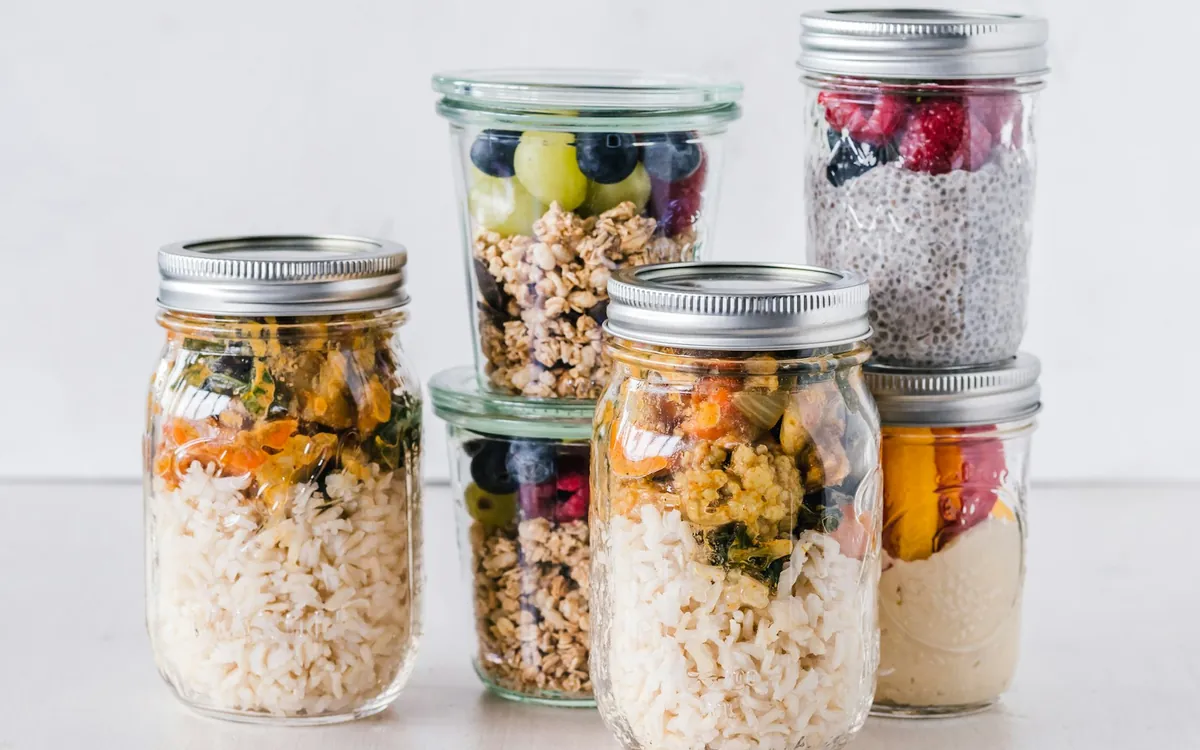
Possible combinations might be fruit with yogurt, or crackers with a familiar spread. These are illustrations, not nutritionally equivalent portions or recommendations for every reader. Follow your medical eating plan. Check ingredient/allergen information and avoid known allergens. Read FDA's allergy guidance.
Two schedule examples
An early lunch and uncertain dinner. An imaginary office worker knows an afternoon appointment often runs late. Their planning action is to make a suitable, familiar snack available where they can access it. They still decide what and how much to eat according to their needs; the appointment gap does not calculate a prescription.
A workout followed by a planned meal. Another person already has a usual meal arranged after activity. Their useful preparation may be getting that meal ready to serve, rather than buying a special product. The right logistical answer can be different even when the workout looks similar.
Compare an early session with a late one
For an early session, map the morning from waking to the first realistic meal opportunity. Include travel and the start of work. The useful question is whether your usual food arrangements fit that morning, not whether a generic rule says everyone must eat a specific snack before exercise. If medical advice governs your meal timing, use that advice first.
For a late session, map the time from the previous meal through the journey home and dinner preparation. If the next meal is already arranged, getting it ready may be the simplest task. If the evening often changes, having an appropriate familiar option available may reduce the number of last-minute decisions.
As you consider a starting workout schedule, compare its gym days with these real meal opportunities. Read the planner's suitability limits first. A general template cannot assess food tolerance, prescribe meal timing for a medical condition, or decide that a snack is necessary.
Check the storage chain from home to eating
Write each place the food will be kept, including travel and any stop before the gym. Follow the product's storage instructions throughout that route. A refrigerator at home does not solve storage during a long outing, and a bag's appearance does not establish that it maintains appropriate conditions.
- Where will the food be packed?
- How will it be stored during travel?
- Is suitable storage confirmed at the next destination?
- When and where could you actually eat it?
- What suitable alternative works if that storage arrangement is unavailable?
If you need a facility detail answered, ask during a staffed Gym of Foley tour. Do not make a meal plan depend on an assumed refrigerator, microwave, food-preparation area, or permission to eat in a particular part of the gym.
Make the backup easier than the main plan
Imagine an adult who plans a familiar snack before leaving work. An unexpected appointment changes the departure time. A useful backup is an option they can store and access appropriately, or a revised meal arrangement that fits their circumstances. A complicated recipe that requires returning home first is unlikely to solve that particular disruption.
After the day, record the practical outcome: the food was unavailable, storage did not work, dinner happened earlier than expected, or the original plan was adequate. You do not need to infer a nutrition problem from a single awkward schedule. Repeated discomfort or a health-related food concern needs individualized advice rather than repeated experiments based on internet rules.
Give the backup a name
- Food option I want available: ______
- Where it will be kept: ______
- Storage instructions I need to follow: ______
- Utensils or preparation needed: ______
- Alternative if I cannot store or access it appropriately: ______
Do not assume the gym has a refrigerator, microwave, or place to prepare food. Confirm any facility detail you need. Food that requires refrigeration needs an appropriate storage plan; if you cannot arrange that, choose a suitable alternative with different storage requirements.
If eating around exercise regularly causes discomfort, or a health condition affects meal timing or food choice, ask a qualified healthcare professional or registered dietitian. Keep any personal medical notes for that conversation rather than submitting them to gym chat.
Workout-snack questions
For a meal that must travel from home to work and the gym, use the food-packing and storage checklist. Snack timing does not resolve safe storage.
Should I buy something labeled for sports?
The label category does not answer your scheduling question. First determine what you need available, what you tolerate, and how you will store it. This worksheet does not recommend a particular product or supplement.
What if I already have a suitable meal soon after training?
Include that meal in the timeline. The purpose is to make your day's food arrangements workable, not automatically add a snack because exercise appears on the calendar.
Should I use the same plan on every gym day?
Only if the relevant arrangements actually match. A weekend visit from home and a weekday session after work may involve different meal opportunities and storage needs.
Write tomorrow's actual timeline and name the one food arrangement that needs preparation. If gym logistics are still uncertain, confirm them on a staffed visit.
To sketch the activity part of the week, review the planner’s schedule options and suitability notes.